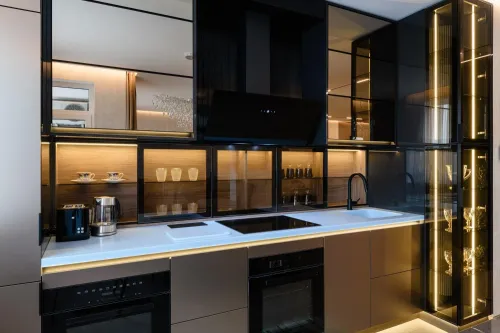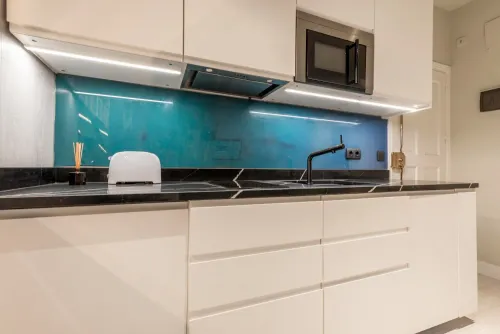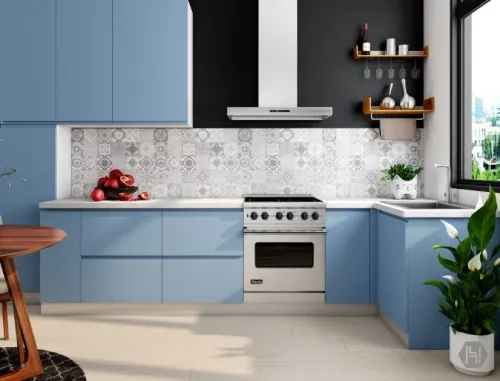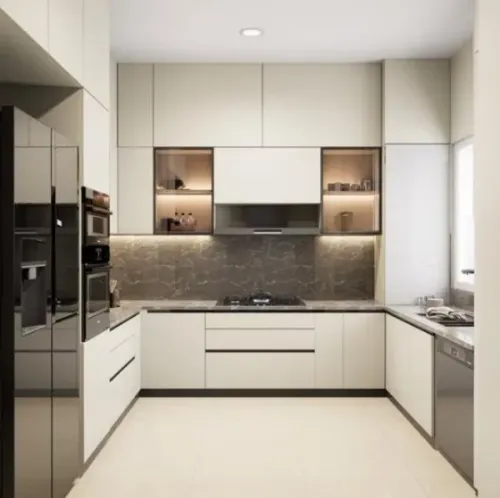
Glossy and matte acrylic shutters differ in more than appearance: one reflects light and reveals marks, while the other reduces glare but can make a dim room feel heavier. By comparing lighting, cleaning, construction quality and alternatives, you can select a finish that suits your kitchen’s use rather than choosing by showroom appearance alone.
Key takeaways
- Choose glossy acrylic to reflect light and make compact kitchens feel larger.
- Choose matte acrylic to reduce glare and soften bold cabinet colours.
- Compare fingerprints, cleaning routines and cabinet position before deciding.
- Inspect an actual sample for edge quality, colour and surface consistency.
Glossy or Matte Acrylic: What Changes on the Shutter Surface?
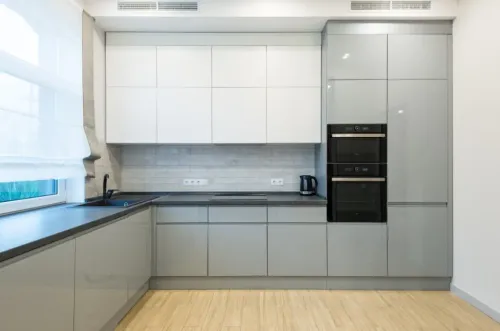
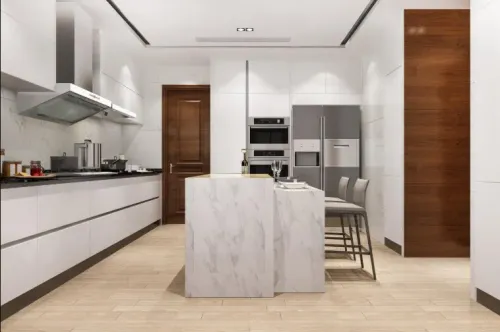
A glossy acrylic shutter acts like a controlled mirror: it bounces daylight and LED light across the room, making a compact kitchen feel brighter and visually larger. Matte acrylic scatters light instead, giving the cabinets a softer, quieter appearance with less glare.
The glossy vs matte acrylic kitchen finish in Thane affects how quickly everyday marks become visible. Dark gloss shows fingerprints, oil smears, fine scratches and reflected clutter clearly; light gloss hides some of these but still reveals streaks under direct light.
Matte generally conceals fingerprints, light dust and minor surface irregularities better, although textured matte surfaces can hold grease.
| Finish | Appearance | Visibility of marks | Perceived kitchen size |
|---|---|---|---|
| Glossy acrylic | Sleek, reflective and sharper in colour | Fingerprints, smudges, swirl marks and scratches stand out | Can make a small kitchen appear brighter and larger |
| Matte acrylic | Soft, flat and low-glare | Hides light marks better; deep scratches and grease remain visible | Can feel calmer, but dark colours may make a poorly lit room feel heavier |
Choose a glossy acrylic kitchen in Thane when reflected light and a sharper modern effect matter more than frequent visible wiping. Choose a matte acrylic kitchen in Thane when low glare and a more forgiving surface matter more.
A glossy face may accept manufacturer-approved polishing for very fine marks; never polish textured matte acrylic, because it can leave a permanent shiny patch.
Match the Finish to Light, Colour and Cabinet Position
The best acrylic finish for kitchen planning depends on how light enters the room and where each shutter sits. Choose glossy acrylic for a dark or compact kitchen that needs reflected daylight and a brighter appearance; choose matte acrylic where glare, fingerprints and visual noise matter more.
| Finish | Light, LED and cabinet colour | Best shutter position |
|---|---|---|
| Glossy acrylic | Works well with limited daylight, pale colours and windows opposite the cabinets. It reflects 3000–4000K under-cabinet LEDs, but cool white LEDs can create harsh glare. Dark gloss shows fingerprints and reflected clutter clearly. | Use on upper cabinets or a windowless wall to bounce light through the room. Avoid placing it directly opposite a sunny window if glare will bother you. |
| Matte acrylic | Suits strong daylight, side-lit windows and high-use areas. Light or mid-tone colours prevent a small kitchen from feeling heavy; textured matte surfaces need the supplier’s cleaning method. | Use on lower cabinets, island shutters and cabinets beside a window, where hand marks and changing reflections are most visible. |
A window behind you can turn glossy fronts into bright reflective panels, while a side window produces a softer effect. Check the finish at morning and evening, then switch on the actual LED colour before deciding.
Keep dark glossy shutters away from the busiest handle zones. A light matte finish is the safer visual choice there, especially in a compact Thane kitchen where every reflection competes with the room.
Cleaning Effort: Which Surface Looks Better After Daily Use?
A soft, lint-free cloth and mild soapy water are safe starting points for both finishes. Wipe cooking splashes before they dry, then use a separate dry cloth to prevent water streaks.
| Finish | Daily cleaning | Marks after use | Main surface risks |
|---|---|---|---|
| Glossy acrylic | Quick wiping removes grease, but streaks show under direct light | Fingerprints, smudges, swirl marks and reflected clutter stand out, especially on dark colours | Abrasive powders, scouring pads and unapproved solvents can dull the shine |
| Matte acrylic | Wipe with the same mild solution; textured surfaces need more attention around grease | Hides fingerprints, light dust and small irregularities better | Grease can lodge in texture; polishing can leave a shiny patch |
For this acrylic kitchen finish comparison, glossy fronts suit you if you accept frequent wiping for a brighter, sleek appearance. Matte fronts are usually more forgiving in a busy kitchen with frying, children or limited cleaning time, but that advantage is visual rather than proof of better scratch resistance.
Use this routine:
- Remove loose dust with a dry, soft cloth.
- Wipe with diluted mild soap and clean water.
- Dry immediately, especially around handles and edges.
Avoid rough sponges, bleach, strong degreasers and solvent cleaners unless the supplier approves them. A glossy face may be polishable for very fine marks, but polishing cannot repair deep scratches or chipped edges; never polish a textured matte front.
Acrylic Quality Is More Than Gloss or Matte Sheen
Acrylic sheet is only the visible layer, not a solid acrylic cabinet door. In an acrylic kitchen finish comparison, check the board underneath, the adhesive, and the edge protection before judging sheen or price. A beautiful surface cannot prevent a swollen substrate, lifting sheet, or chipped corner.
| Construction or alternative | What to compare | Why it affects value |
|---|---|---|
| Acrylic on MDF | Board grade, thickness, and moisture protection | A well-sealed MDF shutter suits dry zones; exposed edges near the sink can swell after water entry |
| Acrylic on HDF | Density and edge sealing | HDF offers a denser core, but unprotected cut-outs still admit moisture |
| Acrylic on plywood | Ply grade, flatness, and face quality | Plywood handles moisture exposure better when properly sealed, but surface irregularities can show through a glossy sheet |
| Edge treatment | ABS or PVC edge banding, corner finish, and joint uniformity | Poorly sealed edges chip, admit water, and reveal the board first |
| Adhesive and lamination | Bond consistency and resistance to lifting | Heat, steam, or moisture can expose weak bonding as bubbles or peeling |
| Laminate or PU-painted MDF | Surface samples, repair method, and total specification | These alternatives can deliver a lower-cost or more repairable front, but their texture and colour depth differ from acrylic |
Ask for the written substrate, edge-band, adhesive, and hardware specification rather than accepting “premium acrylic.” Confirm that all shutters come from one batch; gloss differences become obvious in reflected light, while matte textures can vary in feel.
The best acrylic finish for kitchen use depends on where it is installed. Use stronger moisture protection around the sink, and consider matte on frequently touched base units while reserving gloss for upper cabinets or feature panels.
Use a Sample to Make the Final Choice in Thane
Approve the finish only after viewing a full-size shutter sample in the actual kitchen, not a small colour chip. Place it beside the window, under the planned LED colour, and near the hob to judge glare, reflected clutter, colour shift and how visible fingerprints become.
1. Check the front face from standing and seated positions. Look for pinholes, waviness, shade variation, uneven gloss, trapped dust and scratches. Touch it with clean, dry fingers, then inspect the mark under both daylight and artificial light.
2. Examine every edge and corner. Confirm that edge banding is continuous, firmly bonded and flush with the acrylic face. Ask how sink-cabinet cut edges, handle holes and exposed panel ends will be sealed; standing water at an unsealed joint can swell the board during Thane’s monsoon.
3. Request the written specification, not just the word “acrylic.” Record sheet thickness, board substrate and grade, edge-banding method, adhesive system, cleaning restrictions, scratch and UV warranty, replacement policy and the supplier’s temperature limit. Keep acrylic away from direct flame, hob exhaust and sustained heat.
4. Ask to see a larger installed reference in a glossy acrylic kitchen in Thane and a matte acrylic kitchen in Thane, using comparable colours and lighting. DESIGNO CASA can help you review these details against the planned layout rather than approving sheen alone.
The final choice in glossy vs matte acrylic kitchen finish in Thane should follow the sample’s actual behaviour: choose glossy for useful light reflection when wiping is acceptable, or matte when lower glare and less visible marking matter more.
Related product
 | Modular Furniture Premium Acrylic Modular Kitchen Luxury Kitchen with premium acrylic finish. View product → |
Frequently asked questions
What is the difference between glossy and matte acrylic kitchen finishes?
Glossy acrylic reflects daylight and LED light, creating a brighter, more reflective surface. Matte acrylic scatters light for a softer appearance with less glare.
Which acrylic finish is better for a small kitchen in Thane?
Glossy acrylic can make a compact kitchen feel brighter and visually larger by reflecting available light. Check the sample under your actual kitchen lighting before choosing.
Which acrylic kitchen finish is easier to keep looking clean?
Matte acrylic reduces visible glare, while glossy acrylic makes fingerprints, smudges and fine scratches easier to notice. Your cleaning routine and cabinet position should guide the choice.
How can you check acrylic quality before ordering kitchen shutters?
Inspect a full-size sample for even colour, a consistent surface, clean edges and accurate appearance under daylight and LED lighting. Do not judge quality from sheen alone.
Keywords